 English
 Español
 العربية
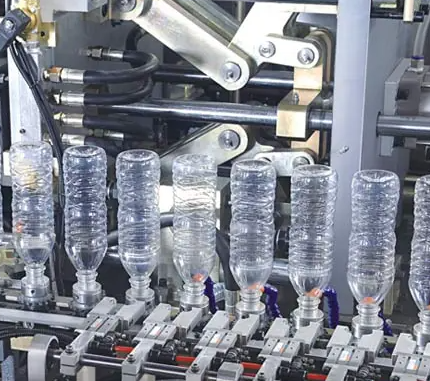
In the competitive packaging landscape, optimizing operational efficiency and reducing energy consumption are paramount for sustainable manufacturing. While high-volume producers often focus on large rotary systems, small-to-medium-scale producers operating linear 4-cavity stretch blow molding (SBM) machines face unique optimization challenges. Achieving stable container quality without excessive energy expenditure requires a holistic approach that bridges preform structural design with advanced machinery performance. As an industry-leading Chinese manufacturer and specialized blow molding machine solution expert, bangemachine engineers versatile, high-efficiency automatic linear stretch blow molding systems. This technical case study analyzes how re-engineering preform wall thickness distribution and optimizing heating parameters on a 4-cavity BANGE blow molding line successfully reduced required blowing pressure by 20% while elevating bottle structural integrity.
1. The Operational Challenge: High Blowing Pressure on 4-Cavity Lines
A regional packaging facility utilizing a 4-cavity automatic linear stretch blow molding machine experienced high energy consumption and frequent pneumatic component wear. An engineering audit conducted by bangemachine technicians revealed several underlying factors:
- Suboptimal Preform Wall Distribution: The existing preforms possessed uniform, unoptimized wall thickness profiles that failed to match the complex geometry of the final custom-designed container, creating localized resistance during radial stretching.
- Excessive High-Pressure Air Demands: To force rigid, poorly conditioned preforms to fill intricate mold corners, operators were forced to crank main blowing air pressures up to 38 bar, accelerating valve seal degradation and straining the air compressor network.
- Thermal Inconsistencies in Heating Tunnels: Minor fluctuations in infrared lamp absorption caused uneven thermal softening, leading to stress whitening and unpredictable material flow during biaxial orientation.
2. Technical Intervention: Preform Optimization and BANGE Machine Tuning
To eliminate excessive pneumatic strain without sacrificing line speed or container capacity, bangemachine deployed a dual-phase optimization strategy combining preform geometry refinement with intelligent machine control.
A. Preform Geometry and Weight Refinement
Working closely with the client, our engineers modified the preform design to redistribute mass precisely along the axial length:
- Optimized Transition Zones: Tapering the shoulder and base transition zones allowed the preform to absorb radiant heat more uniformly.
- Reduced Stretching Resistance: By eliminating thick, rigid sections near the gate area, the modified preform offered significantly lower resistance to axial rod stretching and radial air inflation.
B. Intelligent Infrared Heating and Pre-Blow Synchronization
The 4-cavity linear stretch blow molding machine was recalibrated using advanced BANGE control features:
- Zone-Specific Thermal Profiling: Multi-stage quartz heating lamps were adjusted to deliver targeted thermal energy, ensuring the preform skin reached its ideal stretch temperature window (typically 95°C to 105°C) uniformly.
- Precision Pre-Blow Optimization: By advancing the pre-blow initiation timing by 15 milliseconds and optimizing air flow rates, the preform began expanding smoothly before high-pressure air engaged, drastically lowering the peak force required for final shaping.
3. Quantifiable Results and Operational Impact
Following the implementation of the optimized preform design and machine recalibration on the 4-cavity BANGE stretch blow molding line, the facility recorded impressive performance improvements:
| Performance Indicator | Before Optimization | After Optimization | Measured Gain / Savings |
|---|---|---|---|
| Main Blowing Air Pressure | 38.0 bar | 30.4 bar | 20% Pressure Reduction |
| Compressor Energy Consumption | 135 kWh / shift | 108 kWh / shift | 20% Energy Savings |
| Container Top-Load Strength | 310 N | 345 N | 11.3% Structural Gain |
| First-Pass Production Yield | 96.5% | 99.3% | 2.8% Scrap Reduction |
4. The Advantage of Flexible 4-Cavity Engineering
While high-speed rotary machines dominate massive beverage plants, 4-cavity linear stretch blow molders provide unmatched flexibility for specialized packaging, seasonal runs, and custom bottle designs. As a premier blow molding machine solution expert, bangemachine designs robust linear equipment featuring quick-change mold clamping systems, user-friendly PLC touchscreens, and energy-efficient pneumatic circuits. This ensures that even small- and medium-scale bottlers can achieve Tier-1 manufacturing efficiency, lower operating costs, and flawless container quality.
5. Conclusion
This technical case study demonstrates that reducing blow pressure and energy consumption is not restricted to high-capacity rotary plants; it can be successfully achieved on 4-cavity linear lines through smart preform optimization and machine tuning. By combining precision preform re-engineering with advanced infrared thermal control and pneumatic synchronization, bangemachine empowers global bottlers to slash energy costs, eliminate downtime, and maximize productivity.
Keywords: bangemachine, blow molding machine solution expert, 4-cavity stretch blow molding machine, reduce blow pressure 20 percent, linear PET bottle blower, preform design optimization, energy efficient blow molder, automatic linear blow molding machine, PET packaging equipment manufacturer, blow molding case study